


Introduction
The international financial market plays a pivotal role in shaping global economies. It’s a vast network of exchanges, institutions, and platforms where capital, currencies, and securities are traded across borders. The market allows countries, companies, and individuals to raise money, invest, and exchange currencies. For beginners, it might seem like a complicated arena, but understanding the basics of how it operates can unlock opportunities and help manage risks.
In this article, we will break down the international financial market, explaining its significance, components, benefits, risks, and common mistakes. Whether you are a beginner or an intermediate reader, this guide will give you the tools and knowledge you need to navigate the international financial landscape with confidence.
What is the International Financial Market?
The international financial market is a global network where financial assets and instruments such as currencies, stocks, bonds, and derivatives are traded between individuals, companies, and governments across the world. It facilitates the exchange of funds and capital, allowing businesses to expand and governments to raise money for public projects.
The market operates 24/7, with trading happening in different regions like Europe, Asia, and the Americas. It consists of various sub-markets, including the foreign exchange market (Forex), the stock market, the bond market, and the commodities market, each playing a crucial role in the global economy.
Key Components of the International Financial Market
- Foreign Exchange (Forex) Market: The world’s largest and most liquid financial market, where currencies are traded. It’s open 24 hours a day, allowing individuals and institutions to buy and sell currencies.
- Stock Market: Platforms like the New York Stock Exchange (NYSE) and the London Stock Exchange (LSE) allow businesses to issue shares to raise capital, while investors buy and sell shares.
- Bond Market: The bond market involves the trading of government and corporate debt securities, offering investors the chance to lend money to entities in exchange for interest payments.
- Commodities Market: This includes trading raw materials like oil, gold, and agricultural products, which are essential for the functioning of global industries.
Why is the International Financial Market Important?
The international financial market is a fundamental pillar of the global economy. Its importance extends beyond just facilitating trade and investments—it also helps stabilize economies, improve the availability of capital, and promote sustainable growth. Here are some reasons why it matters:
- Capital Flow: The market enables countries and corporations to access capital from foreign investors, which helps fund projects, boost economic growth, and reduce poverty.
- Risk Management: It allows businesses and investors to hedge against financial risks, such as currency fluctuations, interest rates, and commodity price changes, helping stabilize economies.
- Price Discovery: The international financial market helps determine the fair value of currencies, stocks, bonds, and other financial instruments, ensuring transparency in pricing.
- Global Economic Stability: By promoting investment and allowing risk-sharing, the market helps in managing global economic instability, especially during crises or recessions.
- Economic Integration: It fosters international trade and economic cooperation by allowing countries to invest in each other’s economies, thus promoting growth and development worldwide.
Detailed Step-by-Step Guide to Navigating the International Financial Market
If you’re interested in exploring the international financial market, it’s essential to understand how to approach it. Here’s a step-by-step guide to help you get started:
1. Understand the Key Markets
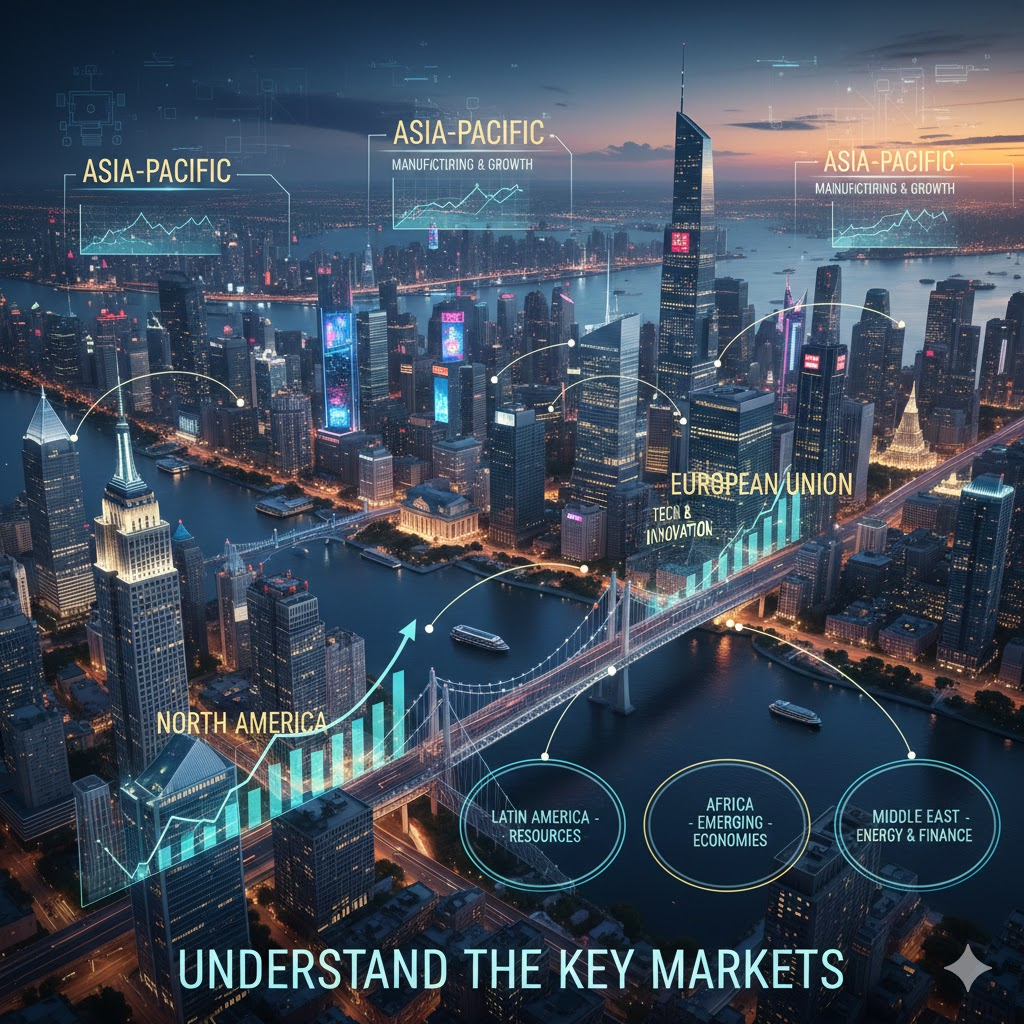
The first step is to familiarize yourself with the primary markets within the international financial market. Focus on the stock market, Forex, bond market, and commodities market. Each one has different functions, and understanding their unique characteristics can help you make informed decisions.
2. Learn About Financial Instruments
Financial instruments are the tools traded within these markets. Common examples include:
- Stocks and Equities: Ownership in a company.
- Bonds: Debt securities issued by governments or corporations.
- Currencies: Money exchanged in the Forex market.
- Commodities: Raw goods traded in the commodities market.
3. Explore Financial Institutions and Platforms
To participate in these markets, you’ll need to interact with financial institutions, such as:
- Banks: They play a role in foreign exchange and capital markets.
- Brokers and Dealers: They facilitate the buying and selling of securities, stocks, and currencies.
- Exchanges: Platforms like the NYSE, LSE, and the Tokyo Stock Exchange, where financial instruments are listed and traded.
4. Study Global Economic Indicators
Economic indicators like GDP, inflation rates, and unemployment figures affect the financial markets. By understanding these indicators, you’ll be able to gauge the health of various economies and make better investment decisions.
5. Analyze Market Trends
Studying historical data, financial reports, and news updates helps identify market trends. Understanding whether a market is bullish (on the rise) or bearish (declining) can guide your investment strategy.
6. Begin with Low-Risk Investments
If you’re new to the international financial market, it’s a good idea to start with low-risk investments, such as government bonds or exchange-traded funds (ETFs). These provide steady returns with minimal risk.
7. Diversify Your Portfolio
Diversification is a key strategy in managing risk. By spreading your investments across different assets and markets, you can reduce the impact of any single market downturn.
Benefits of the International Financial Market
The international financial market offers numerous benefits to individuals, businesses, and governments. Here are some of the key advantages:
- Access to Global Investment Opportunities: Investors can access a wide range of assets and markets worldwide.
- Liquidity: Financial instruments in the international financial market can be easily bought or sold, ensuring that assets are highly liquid.
- Capital for Development: Governments and businesses can raise capital to fund projects, from infrastructure to research and development.
- Price Transparency: Global markets provide transparent pricing, which reduces the chances of market manipulation.
- Risk Diversification: Investors can hedge against various financial risks, such as currency fluctuations, economic downturns, and interest rate changes.
Disadvantages / Risks
While the international financial market offers many benefits, it also comes with risks. Here are some disadvantages to consider:
- Market Volatility: The global market is subject to significant fluctuations, which can lead to sudden financial losses.
- Geopolitical Risks: Political instability, war, or changes in government policies can impact the financial markets.
- Currency Risks: Exchange rate fluctuations can affect investments, especially when dealing in foreign currencies.
- Regulatory Risks: Differences in regulations across countries can create challenges for international investors and businesses.
- Economic Crises: Global financial crises, like the 2008 recession, can have far-reaching effects on financial markets.
Common Mistakes to Avoid in the International Financial Market
Navigating the international financial market requires skill and awareness. Here are some common mistakes to avoid:
- Lack of Research: Always research the market, instruments, and economic conditions before making any investment.
- Ignoring Risk Management: Never invest more than you can afford to lose, and always have a risk management strategy in place.
- Overleveraging: Using excessive leverage can amplify losses, especially in volatile markets.
- Following the Herd: Relying on market rumors or herd mentality can lead to poor investment decisions.
- Neglecting Diversification: Putting all your money in one market or asset increases the risk of a significant loss.
FAQs
1. What is the international financial market?
The international financial market is a global network where financial instruments such as stocks, currencies, bonds, and commodities are traded. It connects various countries, institutions, and individuals for the exchange of capital and resources.
2. How does the Forex market work?
The Forex market is where currencies are traded. It operates 24/7 and involves buying one currency while selling another. Currency values fluctuate based on economic and geopolitical factors.
3. What are the key risks in the international financial market?
The key risks include market volatility, geopolitical instability, currency risks, and regulatory challenges. Investors must manage these risks carefully through diversification and risk management strategies.
4. How can I start investing in the international financial market?
To start investing, educate yourself about the various markets, choose a broker or trading platform, and begin with low-risk investments like government bonds or ETFs.
5. What is the difference between stocks and bonds?
Stocks represent ownership in a company, while bonds are debt securities issued by companies or governments that pay interest over time.
6. How do I diversify my portfolio in the international financial market?
You can diversify by investing in different asset classes, such as stocks, bonds, commodities, and currencies, across different regions and industries.
Expert Tips & Bonus Points
- Stay Informed: Follow global financial news and updates to stay ahead of market trends and changes.
- Use Financial Tools: Leverage tools like stock screeners, economic calendars, and risk management software to make informed decisions.
- Seek Professional Advice: Consult with financial advisors to develop a personalized strategy that suits your investment goals and risk tolerance.
Conclusion
The international financial market is a complex but crucial system that underpins global economic activity. Whether you’re looking to invest, trade, or simply understand how it affects the global economy, this guide has provided you with the foundation to get started. By learning the basics, managing risks, and diversifying your portfolio, you can navigate this exciting and dynamic market with confidence. Remember, knowledge and preparation are key to making smart financial decisions in the international arena.
